
Daily Routines and the Fear of Money
The Andy Warhol DiariesThis thread follows Warhol’s disciplined daily habits and his persistent fear of losing money or business control.
increasing Bearing strength in each event
 decreasing
Bearing strength in each eventdecreasingA Weekday Rut
A Weekday Rut
Repeating the day
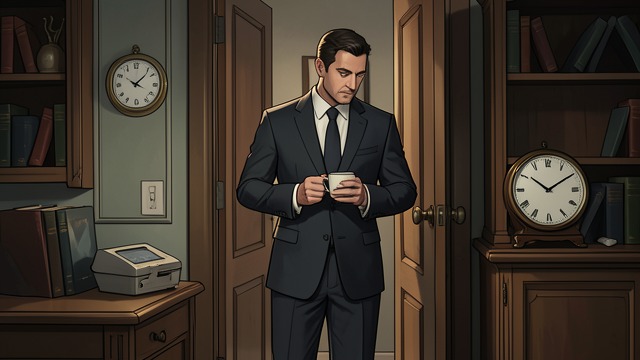
Warhol followed a dependable pattern of calls, breakfast, shopping, office work, art-making, and evening events.
The routine gave shape to a busy social life and protected time for work.
A fragile structure
Travel, illness, late nights, and office demands could disrupt the pattern and make him feel unsettled.
Counting Every Expense
Counting Every Expense
Numbers in the diary
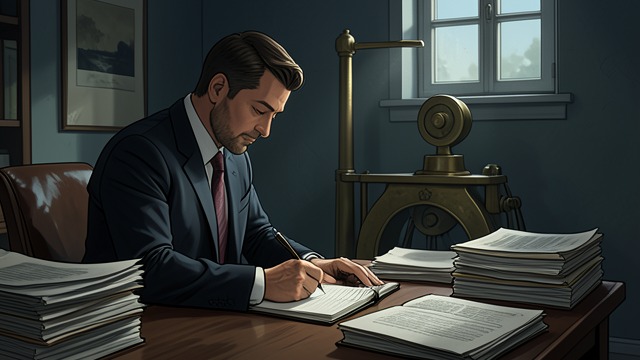
Warhol reported cab fares, tips, supplies, meals, and even small telephone charges to Pat Hackett.
He considered record-keeping necessary for taxes and repeatedly feared audits and sudden financial trouble.
Money as security
The habit shows that wealth and celebrity never removed his worry about going broke.
Business Deals and Control
Business Deals and Control
Rights and returns
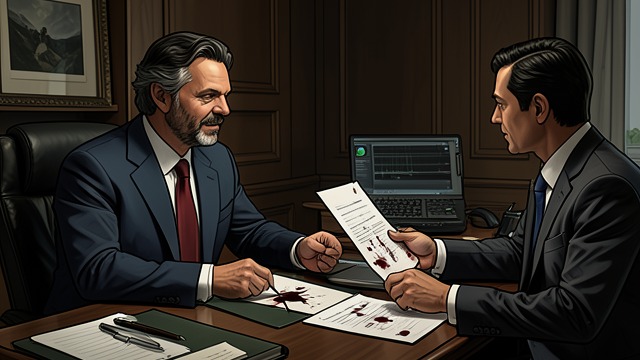
Warhol’s work involved negotiations over portraits, prints, advertising, movies, and publishing.
He was wary of partners who promised exposure instead of money and of contracts that failed to protect his interests.
Ownership matters
His preference for retaining control shaped the way he approached new projects and investors.
Costs of Growth
Costs of Growth
A larger operation
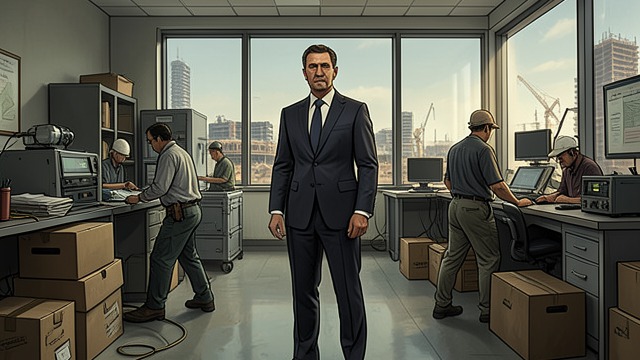
The magazine, new office, staff, travel, and art production generated expenses that grew alongside Warhol’s public profile.
The new building promised space but required renovation, maintenance, and continuing financial commitments.
Constant calculation
Warhol’s casual accounts reveal the strain of keeping creative and commercial activity afloat at once.
Keeping the Business Alive
Keeping the Business Alive
New projects, new risks
Warhol pursued video, portraits, licensing, and television work while managing advertisers and gallery relationships.
He remained alert to delayed payments, cancelled contracts, and employees who could not perform their roles.
No final security
Even at the height of his fame, the diary shows a business owner still improvising to protect income and independence.
Late 1970s
1976–1987
1970s–1980s
1980s
1984–1987
